
Hi there, and welcome to The Contrast - our take on sustainable, practical health and wellness.
John and I started Contrast Market with one simple mission: to help people get easy access to sustainable health habits in a world dominated by trends and fads, starting with heat and cold therapy.
We quickly realized our community wanted more of the same. Honest, practical takes on health and wellness they could actually implement in their daily lives. If that sounds like you, keep reading.
#1 Always On
Tired at 3pm. Wide awake late at night. We’ve all tried the routines, morning sunlight, no screens before bed, magnesium, sleepy tea. It’s a lot to track and honestly easier to not do at all. When we do, sometimes it helps. A lot of times it doesn’t. We’re not burned out. Something is just off.
Cortisol Explained
Cortisol is our body’s stress hormone. Our adrenal glands, two small glands sitting on top of our kidneys, produce it continuously. It never fully stops.
When our body senses a threat, a deadline, a hard conversation, a near-miss on the highway, cortisol spikes. Heart rate up, focus sharpened, energy mobilized. Useful system. The problem is most of us get stuck in the spike and never find the comedown.
Cortisol isn’t the villain. Chronic elevation is.
Morning Tax
Cortisol peaks naturally in the first 30-60 minutes after we wake. Our body is doing its job, a clean built-in shot of energy to start the day.
Before I learned any of this, here was my morning. Alarm at 6:00. Coffee by 6:30. Cortisol already at its daily ceiling. I just stacked another hit on top of it. Caffeine triggers its own cortisol release. Drink it within the first hour of waking and we’re not getting a boost, we’re doubling a response our body already started on its own.
Sound familiar?
Over time, our natural morning peak gets weaker. Our body learns it doesn’t need to work as hard. So we start drinking earlier. Then more. The caffeine stops landing the same way. The crash still comes, reliably, around 2pm, which is when most of us reach for another one. The cycle tightens.
We’re not building energy with our morning coffee. We’re slowly replacing the energy our body used to make on its own.
The Comeback
The goal isn’t to eliminate cortisol. It’s to stop accidentally prolonging it. Three adjustments that worked for me, one of which I’m obviously a little biased on:
- Delay it (I know its tough). Push that first cup back 90 minutes to 2 hours after waking. Let the natural peak run first. Caffeine then hits when cortisol is starting to dip, which is exactly when it’s most effective.
- Watch the 2pm boost (half-espresso shots?). Caffeine has a half-life of 5-6 hours. A coffee at 2pm means half of it is still circulating at 8pm, keeping cortisol elevated right when our body is trying to wind down.
- Our favorite. Cold water and sauna don’t reduce cortisol. They spike it. That’s the point. Each session is a controlled stress followed by a recovery. Spike, recover, spike, recover. Over time our body gets more efficient at moving through that arc. The peak stays proportionate. The comedown gets faster. Not coincidentally, it’s part of the reason we started Contrast Market.
#2 On The Ground
Sauna House — Austin, TX
Sauna House is one of our personal favorites - a dedicated contrast therapy venue with community feel. If you’ve been curious about adding heat and cold to your routine but aren’t ready to commit to a home setup, this is a great place to start.
Claim Your First 3 Visits for $99 →
#3 Worth Listening
🎧 If you’ve ever wanted the full science on why sitting in a sauna might be one of the most efficient things you can do for your health, Huberman makes the case better than anyone.
Dr. Andrew Huberman, Stanford neuroscientist and host of the world’s most-downloaded health podcast, covers why regular sauna use mirrors moderate aerobic exercise, how a specific protocol can spike growth hormone by up to 16x, and why frequent use has been shown to reduce baseline cortisol over time. That last one should sound familiar after this week.
We put together a full breakdown of Huberman’s protocols and the research behind them. Read it here →
#4 Worth Reading
Sleep debt compounds. Muse’s EEG data shows one bad night takes three nights to fully recover from. Read →
Influencer medicine. Half of Americans under 50 now source their wellness advice from social media. For better or worse, this is the new normal. Read →
Egg a day. One egg daily linked to a 27% reduction in Alzheimer’s risk per Loma Linda University. Cheap, accessible, and worth paying attention to. Read →
PCOS renamed. Now officially PMOS - a name that finally reflects what’s actually happening metabolically. Read →
Fitbit goes mass. Google’s Fitbit Air launches at $99, screenless and WHOOP-competitive. Read →
Built for the trail. Amazfit’s Cheetah 2 Ultra drops at $599 with 33-hour GPS battery and Grade 5 titanium. Read →
Loop closed. Function Health acquires SuppCo. Testing and supplement tracking finally under one roof. Read →
Wellness goes beauty. AG1 hits 1,500 Ulta shelves in its first beauty retail partnership. Read →
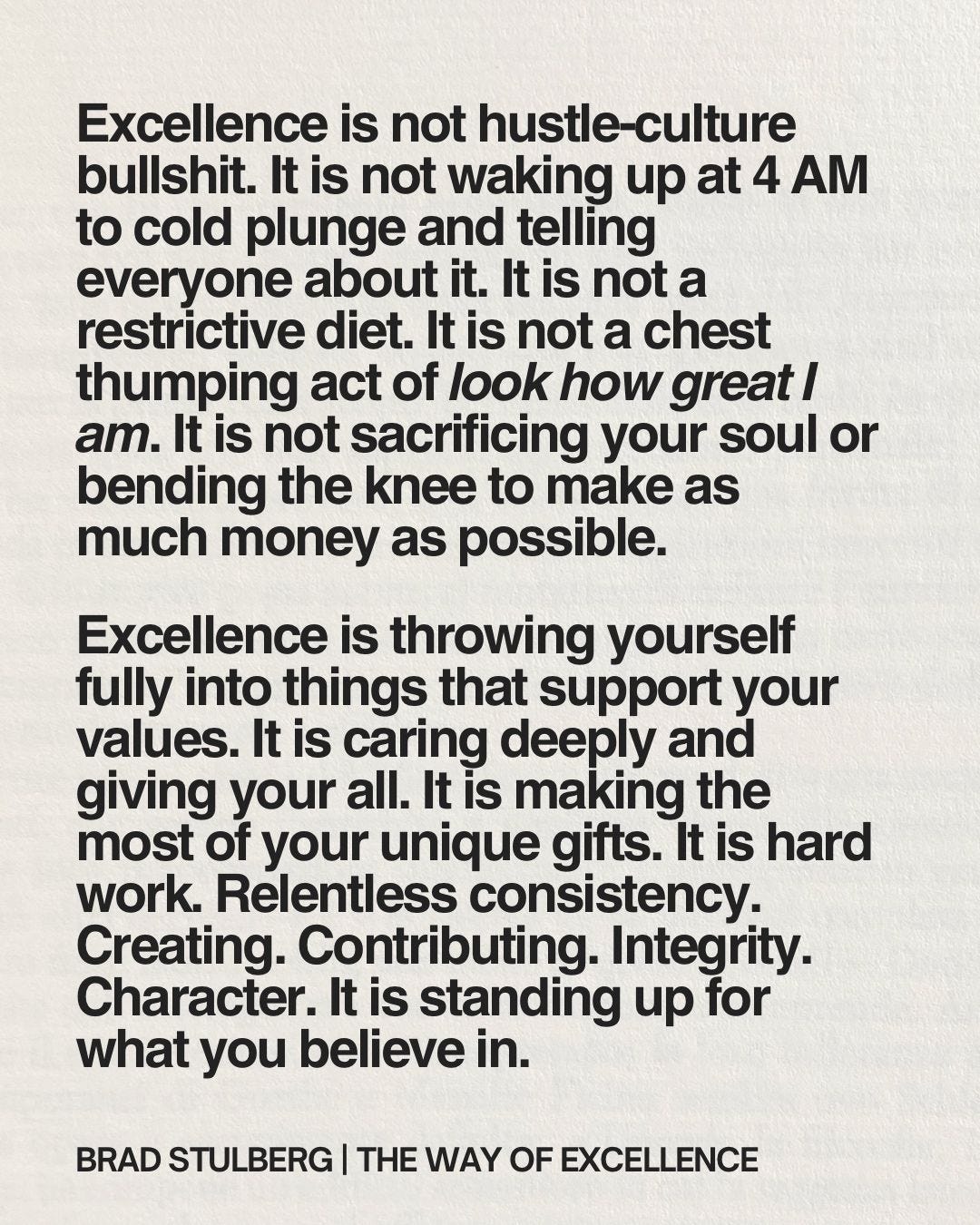
#5 Quote of the Week
#6 Further Reading
📖 If this week’s issue got you thinking about heat and cold, we’ve been building out the research on our end. A few from the journal worth your time:
Sauna vs. cold plunge. The right order depends on your goal: sauna-first for focus and mood, cold-last for metabolic benefit. Read →
Sauna for depression. A single sauna session produced antidepressant effects lasting six weeks in a UCSF clinical trial. Read →
Sauna and Alzheimer’s. Using a sauna 4-7 times per week is associated with a 66% reduction in Alzheimer’s risk. Read →
Sauna and sleep. Sleep onset is a thermal process. Sauna accelerates the core temperature drop that triggers it but only if your timing is right. Read →
How often should you sauna. Cardiovascular benefits jump 50% between once a week and four times a week. Read →